

U4GM Guide to POE 2 Aldur Challenges
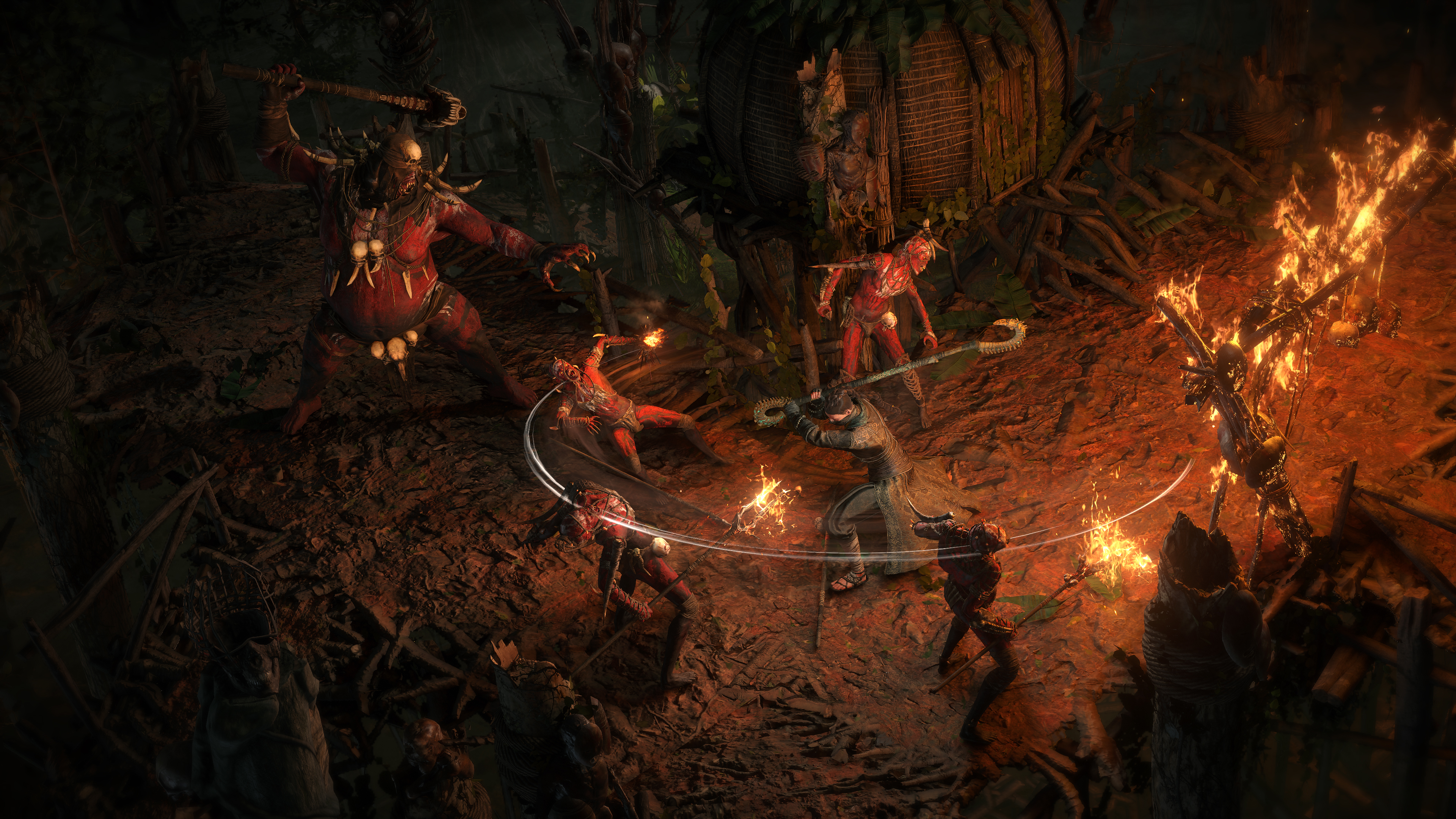
Path of Exile 2's Runes of Aldur season gives players plenty to do, and that is part of the appeal. You are not just running maps and hoping for drops; you are working through a set of goals that slowly pushes you across the whole game. Early on, most people are simply trying to get their build online, grab better gear, and keep enough POE 2 Currency in hand to upgrade when it matters. That little bit of planning goes a long way, because the league challenges touch almost every system in the game, from the campaign to endgame bosses.
How the Challenge Track Feels in Practice
The challenge system in Runes of Aldur is optional, but it never really feels like a side activity once you start paying attention to it. Each task adds progress toward seasonal rewards, usually cosmetics that only exist for that league. That is what keeps people checking the list after every session. You might enter a map for loot, then realise you have also ticked off part of a challenge without even trying. It works because the objectives are spread across the game in a way that feels natural, not forced.
What makes this season interesting is the mix of simple and demanding goals. Some challenges are tied to regular campaign play, so they get done while you are levelling. Others sit much later in the game and ask for a proper build, decent gear, and a fair bit of patience. The result is a challenge track that grows with your character. At the start, you are just trying to survive. Later, you are planning encounters, checking modifiers, and making sure your setup can handle a mistake or two.
Early Goals and League Mechanics
The first wave of challenges is usually where most players settle into the league. These objectives tend to involve finishing the campaign, meeting new monsters tied to the season, using Rune altars, and starting to collect and socket Runes into gear. Nothing here is too wild, and that is the point. It teaches the new mechanics without slowing the player down too much. You can make steady progress just by playing normally, which feels better than being dragged into a tutorial grind.
Even at this stage, the league starts shaping how people spend their resources. A few early crafting attempts, a better weapon base, or a useful Rune can change how smooth the next few hours feel. That is why players keep an eye on their stash from the beginning. If you waste everything too early, the later challenge steps can get awkward. If you keep a bit back, you can move gear around, fix resistances, and keep the momentum going without stalling out.
Crafting, Upgrades, and the Middle Stretch
Once the easy progress is behind you, the focus shifts hard toward crafting and Rune development. This is where the league starts asking for more effort. You will see challenges that want higher quality Runes, better sockets, upgraded gear, and league-specific crafting actions. A lot of players underestimate this part. They think they can just wing it, then suddenly they are short on materials and reroll currency, staring at a near-finished item that still needs one more good step.
This middle phase is where item management matters most. Good POE 2 Currency choices can save a lot of time, especially when you are trying to make one item carry the rest of your build. It is also where solid drops start to matter in a real way. A strong pair of boots, a better chest, or a weapon with the right stats can let you keep moving through objectives instead of stopping to patch holes in your setup. People often say the challenge track is about skill, but honestly, a lot of it is just being ready.
Atlas Work and Boss Encounters
After the campaign, the game opens up, and the challenges do too. Atlas progression becomes a huge part of the season, and many objectives start asking for map completion, corrupted content, tougher modifiers, and special encounters. This is the point where a lot of players begin to see the season in a different light. You are not only farming for loot anymore. You are choosing map layouts, adjusting passives, and trying to line up multiple goals in the same run. That is usually the smartest way to keep progress moving.
The hardest moments still come from boss fights. Pinnacle encounters are built to test your build, your reaction time, and your patience all at once. Some challenge steps want you to beat them under specific conditions, which is where things can get messy. One mistake, one bad phase, and the run is over. That is why people usually wait until their character is properly set up before going after those goals. Strong gear helps, sure, but so does knowing the fight well enough to stay calm when it starts getting tense.
Final Thoughts
What makes Runes of Aldur worth sticking with is that the challenge system never feels isolated from the rest of the league. You are always doing something useful, even when you are not chasing a specific objective. One map feeds the Atlas. One craft improves a weak slot. One boss kill knocks out a seasonal task. It all folds together pretty neatly, though not in a flashy way. If you keep your build moving and spend your resources with some care, you will get a lot more done than you expect, especially when you are willing to buy POE 2 Currency Orbs to keep the upgrades flowing and avoid getting stuck halfway through the season.
 Greek
Greek
 Turkish
 English
 Arabic
 French
 Spanish
 Portuguese
 Deutsch
 Dutch
Dutch
 Italiano
 Russian
 Kurdish
 Romaian
 Portuguese (Brazil)
 Bulgarian
 Ukrainian
 Czechoslovakia
 Hindi
Hindi
 Chinese
 Japanese
 Indonesian
 Korean
 Hungarian
 Malay
Malay
 Lithuanian
 Swedish
 Norwegian
 Danish
 Bengali
 Ireland
 Somali
 South America