


MLB 26 U4GM Hitting Consistency Guide for Players
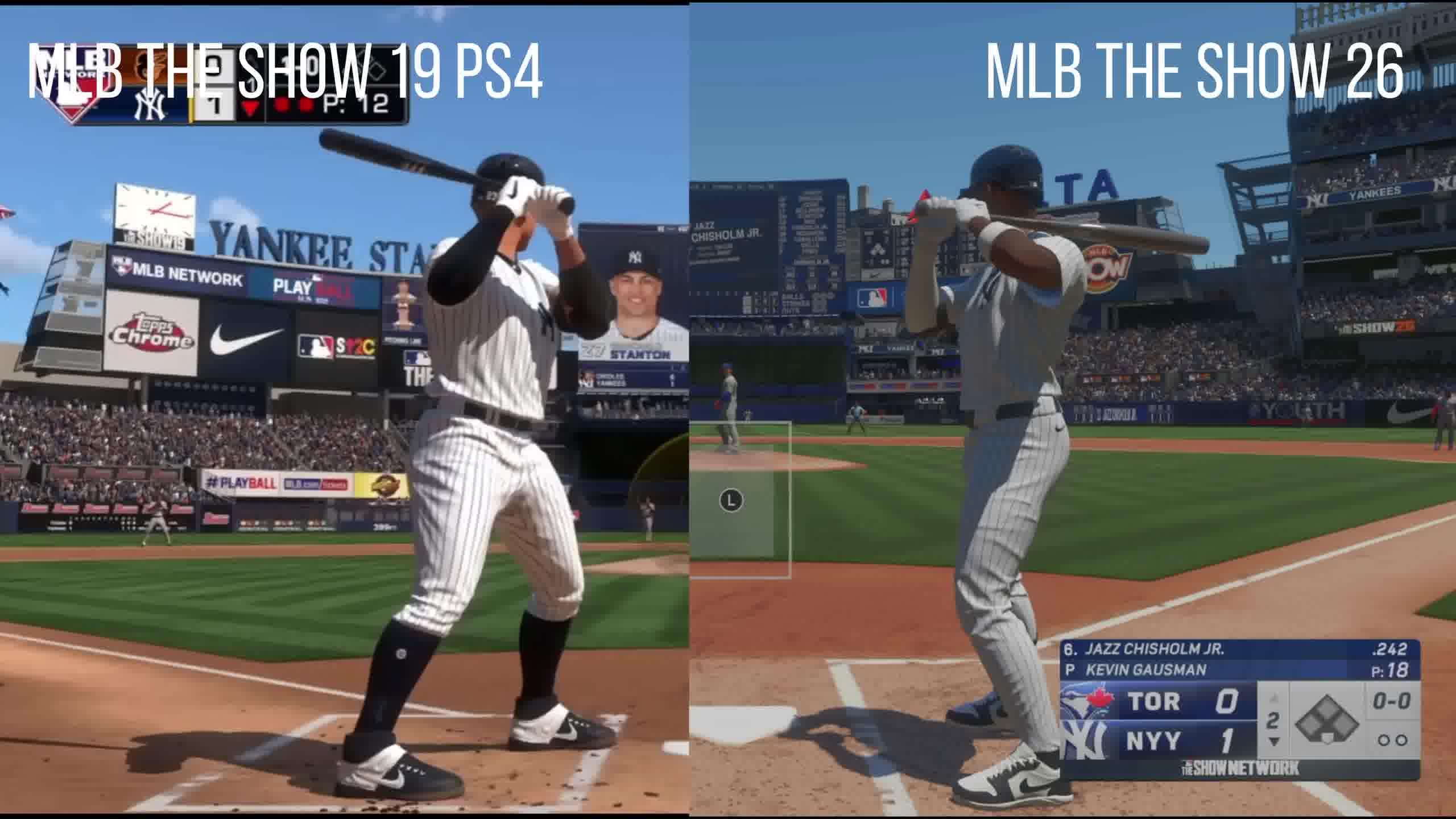
Hitting effectively in MLB The Show 26 requires more than just fast reflexes; it demands structured decision-making and disciplined timing. Many players try to improve their roster using MLB The Show 26 Stubs hoping stronger hitters will fix inconsistent offense. While better players help, true improvement comes from understanding pitch recognition, swing timing, and zone control. Once these fundamentals are in place, even average lineups can perform at a high level.
A common misconception is that offense depends mostly on player ratings. In reality, many high-rated teams still struggle when the user lacks plate discipline. Even if you spend MLB 26 Stubs to acquire elite hitters, poor swing decisions will limit your scoring potential. Learning how to wait for the right pitch is often more valuable than upgrading your roster.
Improve Pitch Recognition Early
One of the most important skills in MLB The Show 26 is identifying pitch types as early as possible. Fastballs, sliders, and changeups all behave differently out of the pitcher’s hand, and recognizing these differences quickly gives you more time to react.
Focus on the pitcher’s release point rather than the ball’s destination. This allows your brain to process pitch speed and movement earlier, improving your ability to adjust your swing mid-motion.
Develop a Controlled Swing Approach
Many players lose scoring opportunities by swinging too aggressively. Instead of reacting to every pitch, focus on controlling your swing decisions based on location and count.
A controlled approach allows you to force pitchers into difficult situations. By taking borderline pitches early, you increase your chances of seeing mistakes later in the at-bat. This approach becomes even more effective when combined with situational awareness.
Master PCI Movement Efficiency
The PCI (Plate Coverage Indicator) is the foundation of hitting accuracy. Rather than constantly chasing pitches, start each at-bat with a structured PCI placement strategy.
Many competitive players position the PCI slightly upward to prepare for fastballs, which are common in online play. From there, small adjustments are more effective than large movements. Overcorrection often leads to weak contact or missed swings entirely.
Use Count Awareness to Your Advantage
Understanding the count is essential for improving offensive output. When ahead in the count, pitchers are more likely to throw predictable fastballs. When behind, they often try to avoid the strike zone entirely.
By recognizing these tendencies, you can anticipate pitch locations more accurately. This gives you a mental edge and reduces unnecessary guesswork during at-bats.
Practice Against High Difficulty Pitching
To improve consistently, you must challenge yourself in practice mode. Playing against higher difficulty settings like Hall of Fame or Legend helps simulate real online competition.
Although it may feel difficult at first, this type of training improves reaction speed and pitch recognition. Over time, lower difficulty games will feel significantly slower, giving you more control during critical moments.
Strengthen Your Team Progression Strategy
As your hitting improves, upgrading your roster becomes more impactful. Many players invest in MLB The Show 26 Stubs to unlock top-tier hitters who complement their growing mechanical skills.
A balanced combination of strong mechanics and upgraded players creates a more reliable offensive system that performs consistently across different game modes.
Final Thoughts on Offensive Development
Becoming a consistent hitter in MLB The Show 26 requires patience and structured improvement. Instead of relying purely on power hitters or roster upgrades, focus on developing discipline, recognition, and PCI control.
Players who choose to buy MLB The Show Stubs often do so to speed up team building, but long-term success still depends on execution at the plate. Combining smart gameplay with roster enhancement creates the most effective path to offensive mastery.
 English
 Turkish
 Arabic
 French
 Spanish
 Portuguese
 Deutsch
 Dutch
Dutch
 Italiano
 Russian
 Kurdish
 Romaian
 Portuguese (Brazil)
 Greek
Greek
 Bulgarian
 Ukrainian
 Czechoslovakia
 Hindi
Hindi
 Chinese
 Japanese
 Indonesian
 Korean
 Hungarian
 Malay
Malay
 Lithuanian
 Swedish
 Norwegian
 Danish
 Bengali
 Ireland
 Somali
 South America